
Modern Farmhouse Builder Olathe KS
In Olathe, KS, neighborhoods like Cedar Creek and Stone Bridge Farms are seeing more modern farmhouse builds every year. Finding an experienced modern farmhouse builder matters more than finding a generic builder. Suburban and infill lots in Olathe bring real complexity. Utility tie-ins, neighbor setbacks, and permit scrutiny are all higher here than on open acreage.
This service is a specialty within our broader Custom Home Building work. We apply the same permit knowledge, trade relationships, and site management to every farmhouse project. Johnson County's clay-heavy soil requires specific foundation prep that builders without local experience often miss. We factor that in from the first site visit.
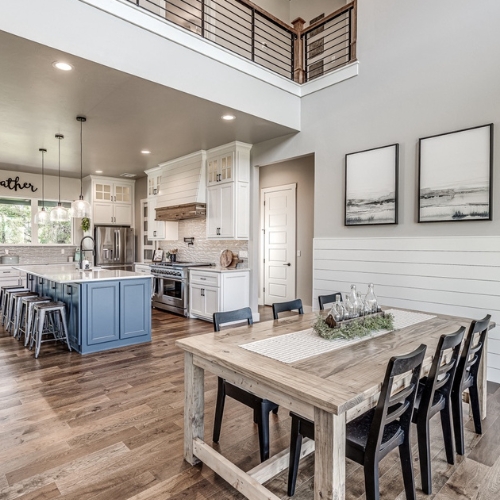
Modern Farmhouse Builder Process in Olathe KS
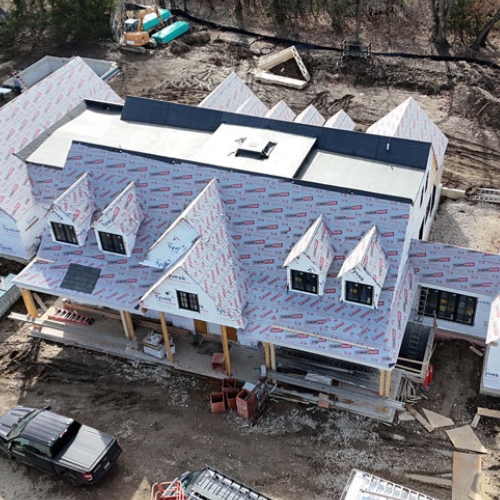
Every project starts with a site evaluation. We conduct a lot survey, run a utility locate, and schedule a pre-application meeting with the City of Olathe. From there, we prepare architectural drawings and submit a full permit package to Olathe Planning & Development. Once approved, we handle site prep - including demo on infill lots, grading, and engineered footings designed for Johnson County clay conditions. Johnson County's clay soil expands and contracts seasonally. We schedule concrete pours around freeze cycles to avoid slab problems later.
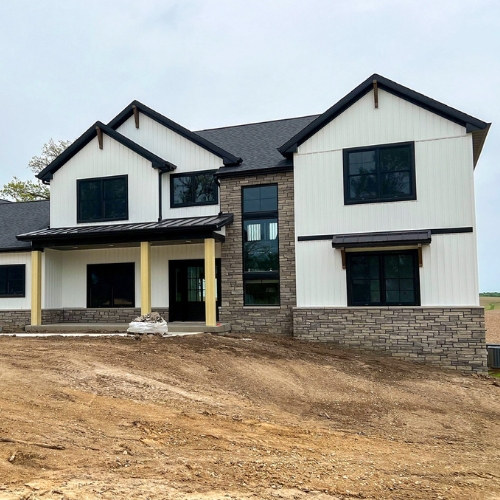
Framing, mechanical rough-ins, and required City of Olathe inspection checkpoints follow in sequence. Finish work includes board-and-batten exteriors, black window packages, and metal roof accents per your approved design. The final step is a walk-through and Certificate of Occupancy from Olathe Building Services. A typical suburban lot build runs 10-14 months. Infill lots add 4-8 weeks for utility coordination. Start windows change frequently - contact us directly for current availability.
When to Call a Modern Farmhouse Builder in Olathe KS
Sometimes a renovation makes sense. Sometimes it does not. If your existing structure was built before 1980, has foundation issues, or cannot support an open-concept layout, a tear-down and rebuild is usually the better path. If the bones are solid and your lot is tight, a major renovation may preserve more value. HOA restrictions in neighborhoods like Covington can also limit how much a new footprint can expand - renovation may be your only option.
A vacant infill lot in an established Olathe neighborhood is the ideal scenario for true modern farmhouse new construction. Areas like Ridgeview and Southgate have seen this done well. The decision point is straightforward: when your renovation estimate reaches 70-80% of new-build cost, rebuilding wins. One important factor in Olathe's older subdivisions - utility infrastructure can be 40-50 years old. New builds on infill lots may require full service upgrades through Evergy or City of Olathe water and sewer. A builder who cannot clearly advise you on this decision likely lacks suburban lot experience.
Olathe Regulations for Modern Farmhouse Builders
The City of Olathe Building Services Division issues all residential building permits. They require stamped architectural plans before any permit is approved. Most established Olathe subdivisions are zoned R-1 or R-2. That means setbacks, maximum lot coverage, and height limits all apply - verify these before finalizing your footprint. The Johnson County Appraiser's Office will reassess your property value after a new build. Plan for that in your long-term budget.
Johnson County Environmental Department requires stormwater and impervious surface compliance on lots under one acre. Large modern farmhouse footprints, combined with driveways and patios, can push those limits fast. We run site coverage calculations early in the design phase to catch this before it becomes a problem. Corner lots and cul-de-sac lots face tighter Johnson County setback rules - buildable area shrinks quickly. Many Olathe HOAs, including Cedar Creek and Covington, require Architectural Review Committee approval. Board-and-batten siding, dark color palettes, and metal roofing may all need ARC sign-off before the City of Olathe will issue a permit. Residential permits in Olathe average 3-6 weeks - a complete submission package avoids costly resubmittal delays.
Choosing the Right Modern Farmhouse Design for Olathe KS Weather and Soil
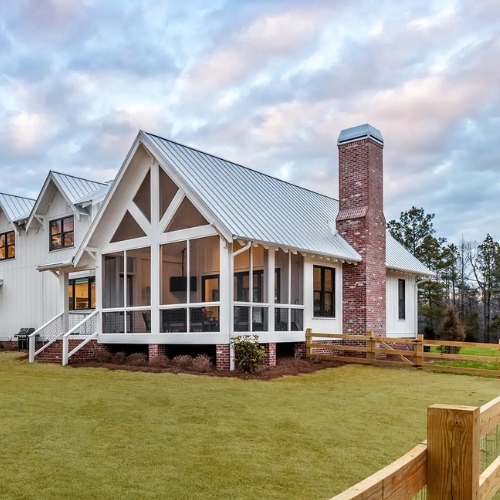
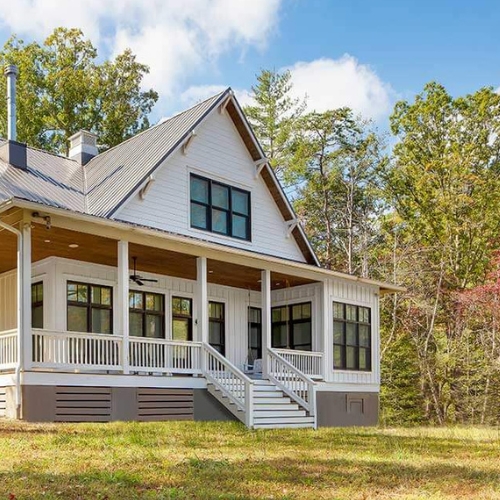
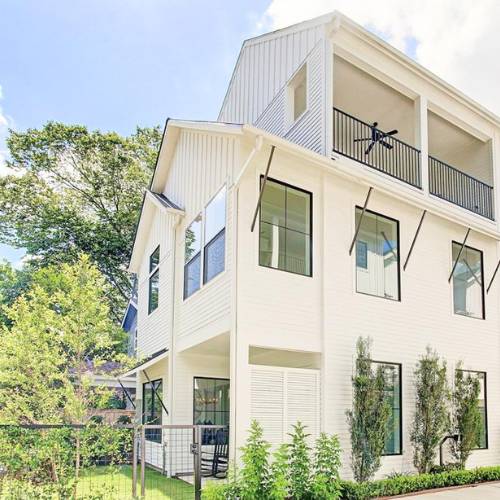
Kansas weather puts real demands on exterior materials. We recommend fiber cement board-and-batten siding - HardiePlank handles humidity swings and hail season far better than real wood. Standing seam metal roofing is a modern farmhouse staple and a smart choice here. Make sure your installer is rated for Johnson County's 90+ mph wind zone design standard. Black aluminum-clad windows are on-trend and work well in Olathe - they must meet IRC energy code requirements for climate zone 5A. A covered front porch, roofline pitch consistent with neighboring homes, and a muted white, gray, or black palette all help satisfy HOA ARC boards in established subdivisions.
Foundation decisions require extra attention in Johnson County. Expansive clay soils here demand a geotechnical report before your foundation type is specified. A post-tension slab is commonly specified for these conditions. Kansas freeze-thaw cycles also require properly insulated slab edges and footings poured to correct frost depth. Builders without local experience often under-spec this - it leads to cracking and settling within a few years. Olathe stormwater rules may require sod or erosion control seeding within 30 days of grade completion. Coordinate with your landscaper early so that deadline does not catch you off guard.
How to Compare Modern Farmhouse Builders in Olathe KS
Not every builder who works in Johnson County has suburban or infill lot experience. Ask specifically for completed projects on subdivision or infill lots - not just acreage builds. Verify that the builder holds an active Kansas Residential Contractor license and has a real business presence in Johnson County. Ask directly: "Who pulls the permits?" A qualified builder pulls all permits themselves. They do not hand that responsibility to a subcontractor.
Red flags are easy to spot if you know what to ask. A builder unfamiliar with the City of Olathe Building Services review process - or who cannot name required inspection stages - lacks local experience. No portfolio of HOA-approved farmhouse exteriors in established neighborhoods is another warning sign. If they cannot explain Johnson County impervious surface calculations for your specific lot, keep looking. Green flags include references from homeowners inside Olathe subdivisions, not just rural Johnson County. Infill and suburban builds in Olathe typically run 8-15% more than new development builds. That premium reflects utility tie-in costs, site prep complexity, and neighborhood logistics - an experienced builder will explain this clearly upfront.
How does building a modern farmhouse in Olathe, KS on an infill or suburban lot differ from a traditional new construction build?
An infill or suburban lot sits inside an existing Olathe neighborhood with existing utilities, existing setbacks, and existing neighbors. Site prep complexity, utility coordination, and permit scrutiny are all higher than on a new development lot. Only builders with direct suburban lot experience know how to manage these layers without delays.
Site demolition or clearing of existing structures and trees may be required first.
Water, sewer, and gas tie-ins must be coordinated with the City of Olathe utility department.
Neighboring lot lines and setbacks limit your buildable footprint more than open lots.
HOA approval may be required before the City of Olathe will issue a building permit.

Our Full Custom Home Building Olathe KS Services
Modern farmhouse building is one specialized service within our full Custom Home Building capabilities. Every modern farmhouse project we manage draws on the same permit expertise, trade relationships, and site management systems we use across all custom builds in Olathe. You are not hiring a niche contractor who only does farmhouse aesthetics. You are working with a team that manages the full scope of a custom build from site evaluation to Certificate of Occupancy.
Olathe is one of Kansas's fastest-growing cities. That growth has increased demand for both new custom homes and urban infill farmhouse projects across Johnson County. We are locally embedded - we know the subdivisions, the inspectors, and the utility departments. Homeowners who want a modern farmhouse aesthetic still need full custom home building oversight to get it done right. Visit our Custom Home Building page for a full view of custom build options available in Olathe and Johnson County.
Modern Farmhouse Frequently Asked Questions
Which modern farmhouse builders in Olathe, KS have availability to start a new suburban build within the next six months?
Availability changes frequently - contact us directly for a current start-date window. Suburban and infill projects in Olathe typically require 3-4 months of pre-construction work before a ground-break date. Permit submission, utility coordination, and design approvals all happen in that window. The earlier you reach out, the more scheduling options you will have.
Does Johnson County have specific setback or impervious surface rules that affect how large I can build a modern farmhouse on a suburban lot?
Yes. Johnson County and the City of Olathe both enforce setback and lot coverage rules that directly limit your home's footprint. Standard R-1 zoning requires side and rear setbacks that reduce your buildable area. Add a large driveway and patio, and impervious surface caps can become a real constraint on smaller lots. We run these calculations early so your design stays within compliance.
Is building a modern farmhouse in an established Olathe subdivision more expensive than building in a new development, and why?
Yes - typically 8-15% more expensive. Site prep, utility connection fees, and neighborhood logistics drive that premium. Infill lots often require full utility service upgrades through Evergy or the City of Olathe water and sewer department. New developments have pre-stubbed utilities that reduce those costs significantly.
Do custom home builders in Olathe also handle modern farmhouse builds on in-town lots, or do they only work on acreage projects?
The best custom builders in Olathe handle both - but not all have suburban lot experience. Ask specifically about infill and subdivision projects in their portfolio before signing a contract. A builder who only works on acreage will not know how to manage HOA approvals, tight setbacks, or City of Olathe permit scrutiny on in-town lots.
Are there HOA or city zoning restrictions in Olathe subdivisions that could affect the exterior design of a modern farmhouse?
Yes. Many Olathe HOAs require Architectural Review Committee approval for exterior design - including siding type, roof material, and color palette. Board-and-batten, metal roofing, and dark exterior colors are common ARC review items in neighborhoods like Cedar Creek and Covington. City of Olathe zoning may also restrict building height, lot coverage, and accessory structure placement.
What are the warning signs that a modern farmhouse builder in Olathe, KS doesn't have experience navigating suburban neighborhood permits and city inspections?
The biggest red flag is a builder who cannot describe the City of Olathe permit review process step by step. Other warning signs include no suburban lot portfolio, vague answers about who pulls permits, and no familiarity with Johnson County impervious surface rules. A builder who cannot provide references from homeowners inside Olathe subdivisions - not just rural Johnson County - is another concern.
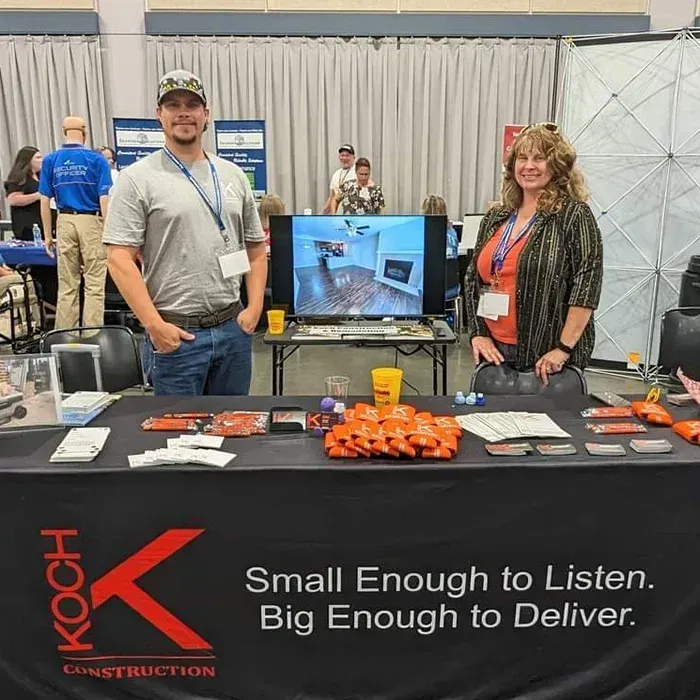
Call or contact Koch Construction & Remodeling now for a free estimate and quick, reliable service.
Small enough to listen, Big enough to deliver


Powered By Local Biz Domination