
New Home Design & Planning Olathe KS
In Olathe, KS, neighborhoods like Cedar Creek and Stone Bridge Farms are seeing more modern farmhouse builds every year. Finding an experienced modern farmhouse builder matters more than finding a generic builder. Suburban and infill lots in Olathe bring real complexity. Utility tie-ins, neighbor setbacks, and permit scrutiny are all higher here than on open acreage.
Johnson County is growing fast. Waiting to start the design phase means fewer lot choices and a longer place in the build queue. New home architectural design is a defined specialty inside our Custom Home Building process - not a standalone offering disconnected from construction.
We know the City of Olathe Building Services Division submittal requirements. We design for Kansas severe weather from the first draft. Wind load compliance is built into every set of plans we produce - not added at the end as an afterthought.

New Home Design & Planning Process in Olathe KS
New home design in Olathe, KS follows a defined phase - not a guessing game. We start with a site analysis: lot dimensions, orientation, Johnson County setbacks, and utility access. From there, we move into schematic design - rough floor plans, massing, and elevation concepts drafted for your approval. Design development follows, where we finalize room layouts, the structural system, and mechanical zones.
The final step is construction documents - permit-ready drawings prepared for City of Olathe Building Services Division submittal. From first meeting to permit-ready plans, the typical timeline is 8-14 weeks. That range shifts based on lot complexity and how many revision rounds are needed. Design-build firms handle both phases under one contract, which means fewer handoff gaps and faster revision loops. A standalone architect offers more design flexibility but requires you to coordinate separately with a builder.
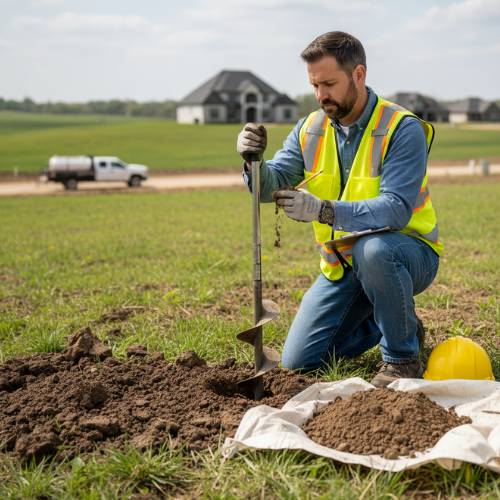
Western Olathe lots - including neighborhoods like Stonebridge Estates - commonly sit on expansive clay soils. Foundation type must be confirmed during the design phase. Locking in plans before a soils review is complete creates expensive problems later.
When to Call for New Home Design & Planning in Olathe KS
Call before you break ground - not after problems appear on the lot. If your plans are missing key documentation, the City of Olathe Building Services Division will send them back. That restart adds 4-6 weeks to your timeline. Getting a complete set of plans right the first time is the fastest path through plan review.
Signs your plans are NOT ready to submit:
Missing energy compliance documentation (IECC 2021)
No Johnson County setback callouts on the site plan
Structural load paths not clearly defined on the foundation plan
No mechanical, electrical, or plumbing rough-in zones shown
Storm shelter location not identified - required for new residential construction in Kansas
Red flags a builder is rushing the design phase:
Pushes to "figure it out in the field" instead of resolving it on paper
Skips schematic approval and jumps straight to construction documents
Cannot name the City of Olathe plan reviewer or typical review timeline
Reuses a stock plan "adapted" for your lot without a licensed architect's stamp
Olathe is one of the fastest-growing cities in Kansas. Building department backlogs are real. A clean first submittal saves you weeks - an incomplete one restarts the clock.

Olathe Regulations for New Home Design
All new residential plans for incorporated lots go to the City of Olathe Building Services Division - not Johnson County directly. If your lot is an unincorporated rural parcel, Johnson County Planning & Development handles the review instead. These are two separate review tracks with different requirements. Knowing which office reviews your plans before you submit saves time and prevents misdirected paperwork.
Key code items that must be in your design before submittal:
Setback requirements: front, side, and rear yard minimums per your zoning district
Maximum lot coverage percentage
Height restrictions by zone
Stormwater retention and grading compliance
Wind load design: Olathe falls in a high-wind zone - plans must show ASCE 7 compliance
Storm shelter requirement: Kansas state code mandates a safe room for new single-family homes
Most common causes of plan review delays in Olathe:
Incomplete energy compliance documentation
Missing geotechnical or soils report on lots with known clay or fill issues
Drainage plan conflicts with adjacent lots or HOA plats
Incorrect zoning classification referenced on the plan cover sheet
Johnson County has documented high-shrink/swell clay soils across many residential corridors. A soils report is strongly recommended before design is finalized on any raw lot. Skipping it risks a foundation redesign after plans are already drawn.
Choosing the Right New Home Design & Planning for Olathe Weather and Soil
Olathe's climate directly shapes what a smart design must include. Ignoring local weather and soil conditions during the design phase costs money in construction and repairs later. Kansas severe weather requirements are not optional additions - they are code minimums that must appear on permitted plans.
Kansas severe weather requirements to address in design:
Minimum wind load: 115 mph design wind speed (ASCE 7-16)
Storm shelter or safe room: ICC 500 standard - location and size must appear on plans
Hail-resistant roof material spec recommended in construction documents
Rural lot with a septic system - design must account for:
Johnson County Environmental Health Department setback from the septic field to the structure
Drainfield location must be established before the home footprint is finalized
Perc test results must be completed before the design locks in placement
Well setback distances apply if the property uses a private well
For rural Johnson County lots near the Hillsdale Lake corridors, septic, well, and grading complexity adds real design decisions early. A designer who doesn't account for those constraints upfront can force a costly footprint revision later. Design-build firms handle these variables in one contract - reducing the gaps that appear when design and construction are managed separately.
Olathe sits in Tornado Alley. Storm shelter placement is a non-optional design element - not an upgrade to consider after plans are drawn.

New Home Design & Planning Cost in Olathe KS
Design cost is driven by scope, lot complexity, and whether design is bundled with construction. In a design-build contract, design fees are often included in the per-square-foot build cost. A standalone architect typically charges 8%-15% of total construction cost for full service. Acreage lots in Johnson County add cost - septic design, soils reports, and grading plans are separate line items.
Olathe design fees are generally comparable to the broader Johnson County market. Proximity to Overland Park and Lenexa does not create a price penalty for building here.
What drives cost up on a Johnson County acreage lot:
Irregular lot shape requiring custom site planning
Soil issues requiring an engineered foundation
Long utility runs - water and electric from road to building pad
Multiple revision cycles from an unclear client brief at the start
Booking availability - what to expect in Olathe right now:
Top design-build firms in Johnson County are booking 3-6 months out for design starts
Waiting until spring to start design typically pushes groundbreaking into the following year
Securing a design consultation now holds your place in the build queue
Demand in southwest Olathe near Canyon Creek and Ridgeview Road has been consistent. Lot inventory in those corridors moves fast. Starting the design phase early is the most direct way to protect your build timeline.
How Long Does Design & Planning Take for a New Home in Olathe, KS?
The architectural design phase for a new home in Olathe, KS typically takes 8-14 weeks from the first meeting to permit-ready plans. Timeline depends on lot complexity, the number of revision rounds, and how quickly you approve each phase. A clean, complete submittal to the City of Olathe Building Services Division avoids re-review delays that can add 4-6 weeks.
Typical phase breakdown:
Schematic design approval: 2-3 weeks
Design development and structural coordination: 3-4 weeks
Construction document production: 3-5 weeks
City of Olathe plan review (first submittal, complete package): 2-4 weeks
Our Full Custom Home Building Olathe KS Services
New home architectural design is one phase inside the full Custom Home Building process. Architectural design does not stand alone. It sets every downstream decision - framing, mechanical, finishes, and budget. A builder who controls both design and construction catches conflicts before they become field problems.
Trying to hand off plans from a standalone architect to a separate builder adds coordination risk. Scope gaps between design and construction are where budgets break and timelines slip. When design and construction live in one contract, those gaps close before they open.
This page covers a specialty service within our Custom Home Building expertise. Visit that page to see the full scope of what we deliver from lot selection through final walkthrough. Every custom home we design in Olathe is built to perform in Johnson County's specific conditions - clay soils, high winds, and fast-growing neighborhoods included.
New Home Design Frequently Asked Questions
Does new home design in Olathe, KS need to meet specific wind load and storm shelter requirements?
Yes - Olathe is in a high-wind zone and falls within Tornado Alley. Plans must show compliance with ASCE 7 wind load standards at a 115 mph design wind speed. Kansas state code requires a storm shelter or safe room for every new single-family home. Location, size, and ICC 500 compliance for the shelter must appear on the permitted plans. A builder who skips this in the design phase is setting you up for a rejected submittal.
How does the Johnson County Planning & Development office review new home design plans?
Johnson County Planning & Development reviews plans for unincorporated rural parcels - not for lots inside Olathe city limits. Incorporated Olathe lots go through the City of Olathe Building Services Division instead. These are two separate review tracks with different submittal requirements. The most common delay causes are incomplete energy docs, missing setback callouts, and drainage plan conflicts. Submit a complete package the first time - incomplete submittals restart the review clock.
How do I know if my new home design is compatible with a rural lot that requires a septic system in Johnson County?
Start with a perc test - this determines whether your lot can support a conventional drainfield. The septic system footprint and setbacks must be located on the site plan before the home footprint is finalized. Johnson County Environmental Health Department sets minimum setback distances from the structure to the septic field. If the lot also uses a private well, well setback distances further limit where the home can be placed. A designer who doesn't account for septic placement early can force an expensive redesign later.
Should I choose a design-build firm or a standalone designer for new home design in Olathe, KS?
For most custom homes in Olathe - especially on complex lots - design-build reduces gaps and speeds up the process. A standalone architect gives more design flexibility but requires you to actively manage coordination with your builder. Design-build firms carry the design into construction under one contract - changes are resolved internally, not between separate parties. For rural Johnson County lots with septic, grading, and utility complexity, design-build typically performs better.
What are the warning signs that my design plans aren't ready to submit to the City of Olathe Building Services Division?
Missing energy compliance documentation is the most common issue - IECC 2021 is the current code standard. No Johnson County or City of Olathe setback callouts on the site plan will trigger an automatic return. Storm shelter location and spec not identified on the drawings is a code compliance failure. Structural load paths that are unclear or missing from the foundation plan will not pass review. Mechanical, electrical, and plumbing rough-in zones must also be shown before submittal.
Can I book a new home design consultation in Olathe, KS this month, or are builders already booked into next year?
Top design-build firms in Johnson County are currently booking 3-6 months out for design starts. A consultation this month can secure your place in the queue - even if groundbreaking is 12 or more months away. Waiting until spring to start the design phase typically pushes your build start into the following year. Call now to confirm availability and lock in your lot's design timeline before the queue fills.
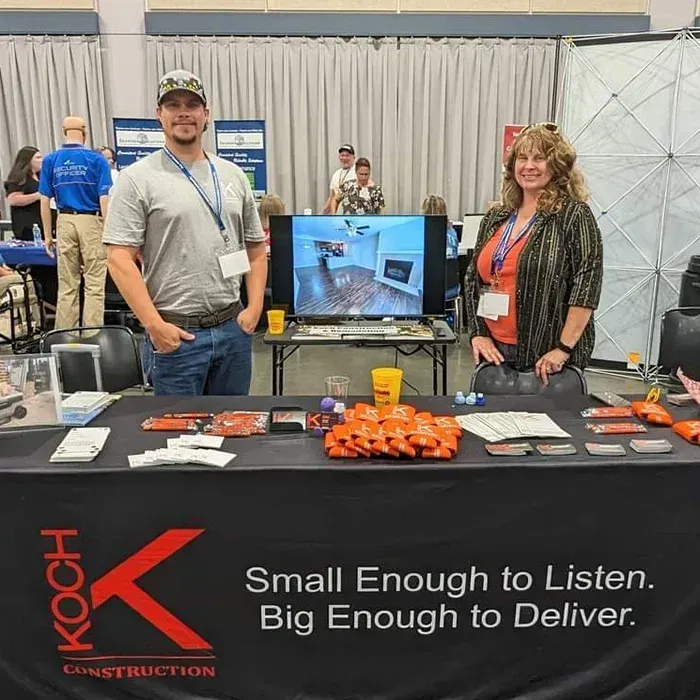
Call or contact Koch Construction & Remodeling now for a free estimate and quick, reliable service.
Small enough to listen, Big enough to deliver


Powered By Local Biz Domination