
Concrete Patio Construction Olathe KS
You need a flat, durable outdoor surface installed by a contractor with real local experience. You do not need a low bid from an unlicensed crew that disappears after the first hard winter. The right contractor knows this soil, this climate and the specs that hold a slab together here.
We are based in Olathe, KS - no drive time and no travel markup on your project. We can reach any address in the city using the I-35 and I-435 corridors. Same-day site visits are available across Olathe when your schedule needs it.
Concrete patio construction is a core part of our Deck & Outdoor Living Olathe KS services. The slab is often the starting point for a larger backyard build - Deck & Outdoor Living Olathe KS
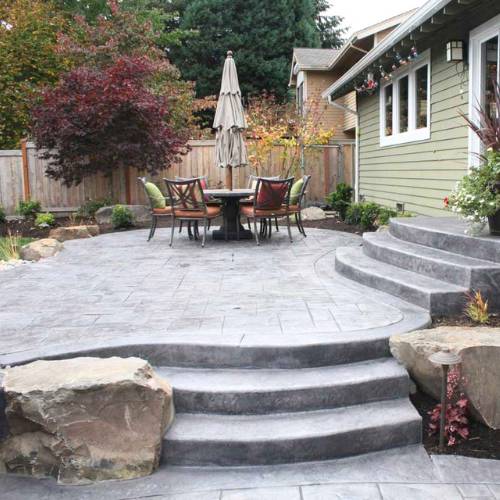
Concrete Patio Professional Standards in Olathe KS
Every concrete patio we pour in Olathe uses a 4,000 PSI air-entrained mix. That mix must carry 5-7 percent air content per ACI 360R to resist freeze-thaw damage. Standard residential patios are poured at 4 inches thick for foot traffic and furniture. Any slab supporting a heavy outdoor kitchen or vehicle load requires 6 inches of thickness with steel reinforcement.
We cut control joints into every slab per ACI 360R guidelines. Joints are spaced at 2-3 times the slab thickness in feet - directing any cracking to a controlled line instead of across the slab face. Before any concrete is placed, we compact 4-6 inches of crushed stone base. Skipping that base layer is the leading cause of slab settlement in Johnson County.
We offer three finish options depending on your goals and budget. A broom finish is slip-resistant and has the fastest lead time. Stamped concrete uses a pattern mold pressed before the slab cures - it mimics stone or brick and requires regular sealing. Exposed aggregate reveals the embedded stone below by removing the surface cream after placement.
When to Call for Concrete Patio Construction in Olathe KS
Some homeowners come to us with bare ground or gravel where a patio should be. Others have an old wood deck that has rotted past the point of repair. If you are adding an outdoor kitchen or a covered porch, you need a load-bearing concrete slab in place first.
Small cracks under 1/4-inch wide with no vertical movement can be filled and sealed. A crack where one side sits higher than the other signals sub-base movement - that slab needs replacement, not patching. Spalling across more than 30 percent of the surface cannot be patched - the surface integrity is gone. Slab sections that rock underfoot mean the base has failed and a full replacement is needed.
Any deck or screened porch framing must wait for the concrete patio to be poured and cured. Structure framing cannot begin on a wet or unfinished slab. Spring and fall are the best pour windows here in Olathe. Summer heat and late-fall freezes both damage a curing slab and cost you time.
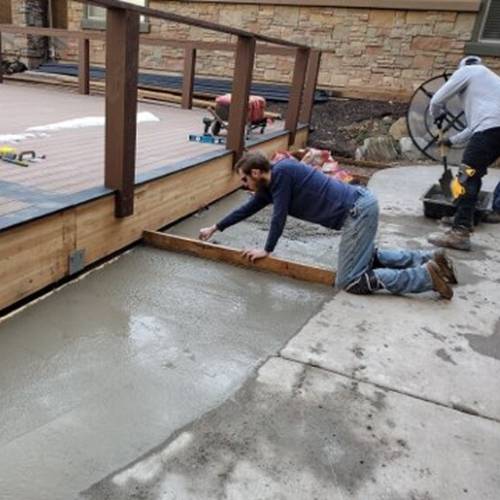
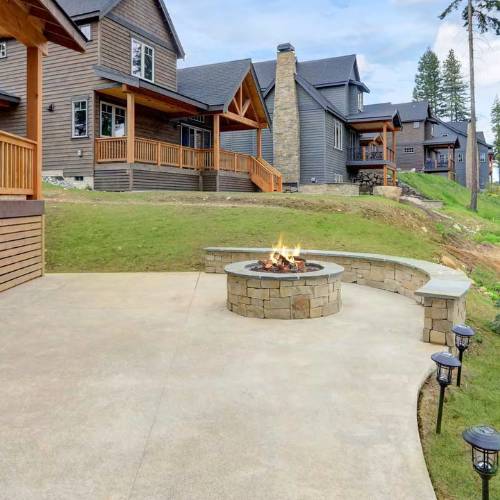
Navigating Olathe KS Regulations for Concrete Patio Construction
The City of Olathe Building Safety Division regulates residential construction permits inside city limits. A standalone ground-level patio slab typically does not require a permit in Olathe. Always confirm with the Building Safety Division before any pour begins. A slab that supports an attached structure - covered porch, pergola or outdoor kitchen - does require a permit and must meet setback rules.
Olathe residential setback rules restrict how close any structure can be built to a property line. A freestanding slab has more flexibility than an attached structure, but HOA rules often add stricter limits. Many Olathe subdivisions carry HOA requirements that go beyond what the city requires. We verify setbacks with both the City of Olathe and your HOA documents before we stake the patio footprint.
We pull every required permit for your project - you never manage paperwork with city departments. That keeps your project on schedule and fully documented from day one. Permits also protect you at resale. Unpermitted structures attached to a patio can create title and disclosure problems when you sell.
Olathe KS Environment and Concrete Patio Performance
Olathe and Johnson County sit on expansive, shrink-swell clay soil. That soil swells during wet springs and contracts in dry summers - pushing and pulling anything sitting on top of it. This movement is the primary cause of slab heaving and cracking in this region. A properly compacted crushed stone base breaks the direct contact between the slab and the clay below.
Olathe goes through multiple freeze-thaw cycles every winter. Moisture enters small cracks, freezes, expands and forces those cracks wider with each cycle. Air-entrained concrete with 5-7 percent air content per ACI 360R creates microscopic pressure-relief voids inside the slab. A patio poured without proper air content will show surface spalling within 2-3 winters.
Concrete must be placed and cured above 40 degrees Fahrenheit. Cold-weather pours here in Olathe require insulated blanket curing and a mix adjustment to reach design strength. Summer pours above 90 degrees lose surface moisture too fast, causing shrinkage cracks before control joints can do their job. April through May and September through October are the preferred pour windows for Olathe residential projects.
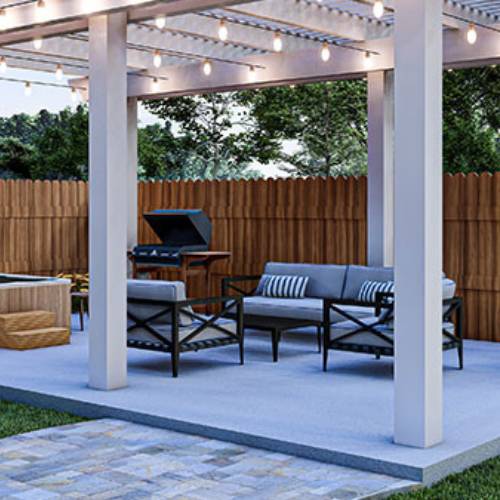
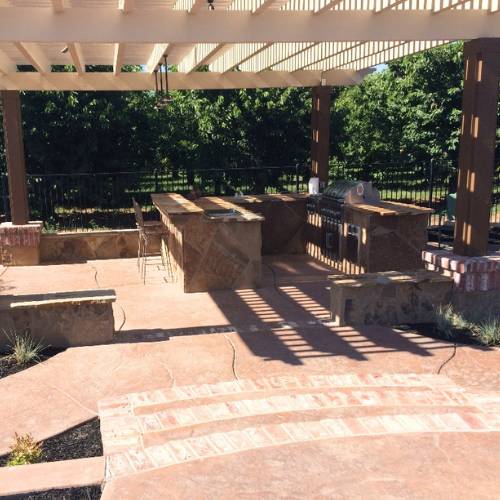
Our Full Deck & Outdoor Living Olathe KS Services
A concrete patio is rarely the end of the project. For most Olathe homeowners, the slab is the foundation for a larger outdoor living build. We plan the patio with the full backyard vision in mind from the first site visit.
A patio slab connects directly to screened-in porches, covered decks, custom deck builds and outdoor kitchens. We design and build all of those structures as a single-contractor project. You deal with one crew, one schedule and one point of contact from slab to final inspection.
Starting the patio and the structure together eliminates layout conflicts and drainage problems before they happen. It also keeps your permit paperwork clean - no separate contractors creating gaps in the project record. When the full scope is planned together, the finished backyard works as one connected space.
Deck & Outdoor Living Olathe KS
Frequently Asked Questions
What mix design should a contractor use for a concrete patio that resists cracking?
The correct mix for Olathe, KS is 4,000 PSI air-entrained concrete with 5-7 percent air content per ACI 360R. That air content creates small pressure-relief voids inside the slab. Those voids absorb freeze expansion before it fractures the surface. A standard residential mix without air entrainment will fail within a few winters in this climate.
Ask any contractor you are considering to name the PSI spec and air content range before you sign anything. A contractor who cannot answer that question has not worked in a freeze-thaw region before.
How does the clay-heavy soil common in Olathe affect concrete patio performance?
Olathe clay soil swells when wet and shrinks when dry. That movement pushes and pulls a slab that sits directly on the sub-grade. This is why patios in the KC metro crack faster than patios poured in sandier soil regions - the soil is the variable, not the slab quality. A 4-6 inch compacted crushed stone base breaks that direct contact and reduces movement transfer to the slab above.
Does Olathe require a permit for concrete patio construction on residential property?
A standalone ground-level patio slab typically does not require a permit in Olathe. Always confirm with the City of Olathe Building Safety Division before any work begins. A permit is required when the slab supports an attached structure - a covered porch, pergola or outdoor kitchen. HOA rules in many Olathe subdivisions also apply even when the city does not require a permit.
How long does a concrete patio take to cure before it can handle outdoor furniture?
Light foot traffic is safe at 24-48 hours after the pour. Furniture placement should wait until 7 days of cure time have passed. Concrete reaches 90 percent of its design strength at 28 days - heavy items should wait until that milestone. Cold weather slows curing, so a patio poured in October may need blanket protection to stay on schedule.
How can a homeowner tell if an existing concrete slab needs replacement instead of repair?
Cracks with vertical displacement - one section raised above the other - signal sub-base failure. That slab needs replacement, not patching. Surface spalling across more than 30 percent of the area means the surface integrity is gone and patching will fail within one season. Slab sections that rock underfoot tell you the base has washed out or settled - a full replacement is the correct fix.
Cosmetic patching over structural movement delays the real solution and costs more in the long run.
How does Johnson County's freeze-thaw cycle affect concrete patio installation timing?
The best pour windows in Olathe are April through May and September through October. Avoid pours when overnight temperatures are dropping below 40 degrees Fahrenheit. Concrete poured in freezing temps without proper protection will not reach design strength and will spall by spring. Summer pours above 90 degrees lose surface moisture too fast, causing shrinkage cracks before control joints can direct the movement.

Call or contact Koch Construction & Remodeling now for a free estimate and quick, reliable service.
Small enough to listen, Big enough to deliver


Powered By Local Biz Domination