
Barndominium Construction Olathe KS
In Olathe, KS, barndominium construction is no longer just a rural option. Platted subdivisions, in-fill lots, and established neighborhoods inside city limits are now viable build sites. Homeowners and lot buyers across neighborhoods like Cedar Creek
and Quail Creek are asking about metal-frame custom homes on standard city lots.
Most contractors advertising barndominium construction in Johnson County work on rural acreage. They know open-land permits and county setbacks. Few have real experience with Olathe city setbacks, HOA covenants, platted lot restrictions, or urban inspection standards.
We are a custom home builder based in Olathe with a full permit history inside city limits. We deliver barndominium construction on suburban and in-fill lots — permit-ready, code-compliant, and city-approved. This service is a specialty under our Custom Home Builder expertise.
This page covers urban build costs, Olathe city permit requirements, and HOA considerations. We also walk through how to find a builder with real urban barndominium experience inside Olathe city limits.
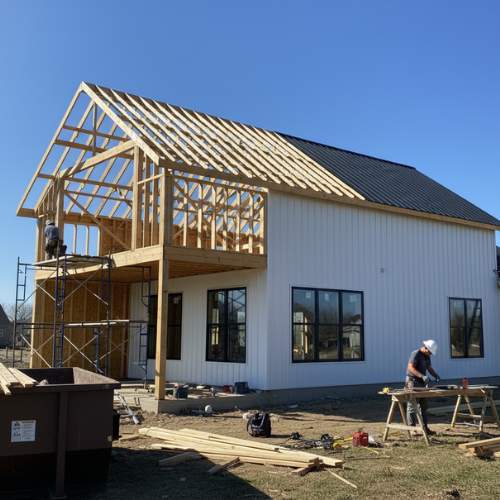
Barndominium Construction Costs in Olathe KS vs. a Traditional Suburban Custom Home
Building a barndominium on a platted Olathe lot costs differently than a rural metal-frame build. Urban builds carry city-specific cost drivers that rural projects do not. City utility hookup fees, stormwater compliance permits, and Olathe design standard requirements all add line items. Some neighborhoods require minimum masonry percentages or lap siding coverage on all new construction — regardless of frame type.
Metal-frame construction still delivers more usable interior square footage per dollar than wood-frame on comparable lots. On a standard Olathe in-fill or subdivision lot, urban barndominium builds typically run $160–$225 per square foot — all-in with city hookups and code-compliant finishes. A traditional custom wood-frame build on the same lot often runs higher. If your lot sits inside an HOA with exterior finish requirements, budget for upgraded cladding materials before finalizing your project cost.
Barndominium Construction Process in Olathe KS on a Platted Suburban Lot - Step by Step
Every urban barndominium build in Olathe starts with a full lot evaluation. We confirm zoning classification, measure setbacks, calculate lot coverage limits, and review any HOA covenant documents. This step catches restrictions before design dollars are spent. Skipping it is the most common mistake we see on city lots.
Once the lot is cleared, we develop design and engineering drawings to Olathe city standards. Those drawings are engineer-stamped before we submit the building permit application to the City of Olathe. Mechanical, plumbing, and electrical permits are pulled separately at each rough-in phase. Stormwater drainage compliance plans are submitted concurrently - required for qualifying disturbed area thresholds inside city limits.
Site prep follows permit approval. On in-fill lots, that often means demolition of an existing structure before grading and erosion control work begins. Olathe's 28-inch frost line requires all footings poured below grade - this applies to urban slab builds and affects pour scheduling in winter months. After the foundation is poured, steel frame erection and exterior skin installation proceed with finish materials selected for neighborhood compatibility. Rough-ins, insulation, interior finish, and city inspections follow in sequence. The process closes with a certificate of occupancy issued by the City of Olathe.
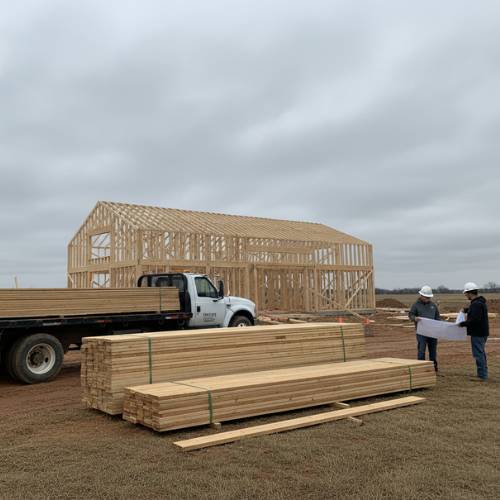
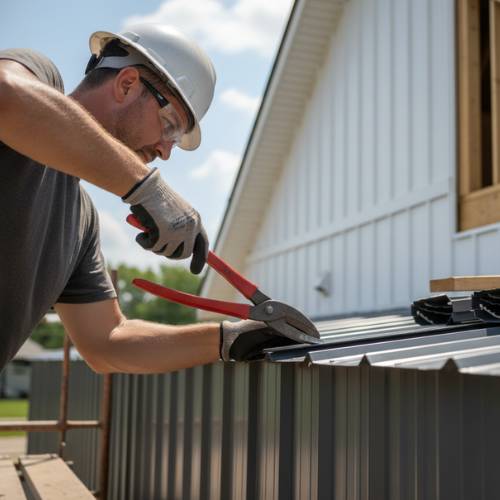
When to Call for Barndominium Construction in Olathe KS on an Urban or In-Fill Lot
You own or are purchasing a platted lot inside Olathe city limits and want a metal-frame custom home. You've priced conventional custom builds in Johnson County and want more interior square footage at the same budget. Steel-frame construction makes open-concept floor plans structurally easier than wood-frame - without load-bearing walls eating into your layout. Those are the right conditions for an urban barndominium build.
If you have an existing structure on your Olathe lot, a conversion or rebuild may be viable. Conversion candidates show a sound foundation, column spacing compatible with barndominium framing, and a zoning classification that permits residential rebuild. Warning signs include non-conforming setbacks, HOA covenants that restrict metal exterior finishes, or lot coverage limits that can't support the footprint you need. Olathe's clay-heavy soils in older in-fill neighborhoods also require a soil assessment before foundation design begins - existing slabs from prior structures may need full removal and re-pour.
Johnson County and Olathe City Permits Required for Barndominium Construction on a Residential Lot
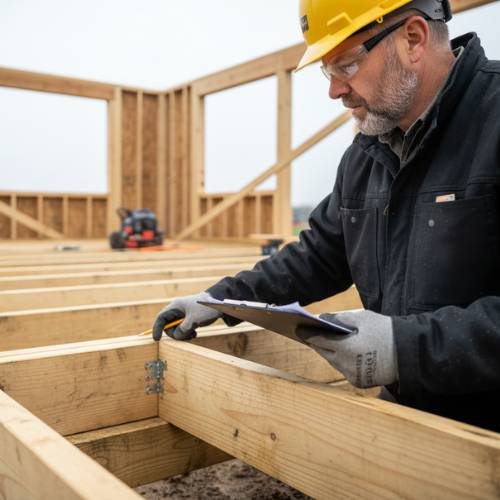
Barndominium construction on a platted Olathe lot requires the same full permit stack as any residential new build. A building permit is required for all new residential construction - engineer-stamped drawings must be submitted with the application. Mechanical, plumbing, and electrical permits are pulled separately at each rough-in phase and inspected by Olathe city inspectors. Plan for a 4-8 week city review timeline on residential new construction submittals.
Stormwater management permits are required when disturbed area thresholds are met on platted lots inside city limits. City utility hookup permits cover water, sewer, and gas connections - all billed at current Olathe rate schedules. One distinction worth knowing: Olathe city limits and unincorporated Johnson County have different review processes. Confirm the governing jurisdiction for your specific lot address before design begins - the answer affects your permit path and timeline. HOA or subdivision covenant approval runs as a parallel track and does not replace city permitting.
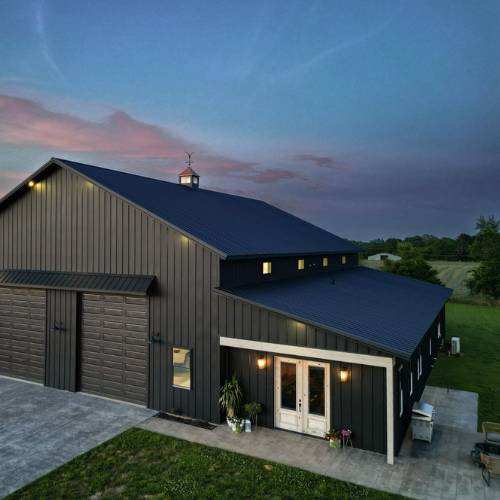
How Olathe's Setbacks, Lot Coverage Rules, and Design Standards Affect Barndominium Construction
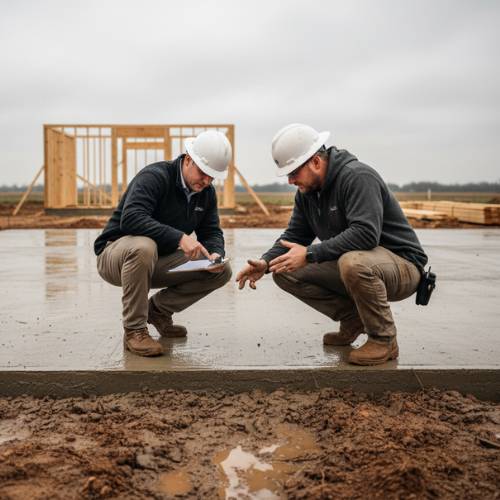
Olathe city setback requirements define the buildable footprint on any platted lot. Front, rear, and side setbacks reduce usable square footage before design begins. Lot coverage limits cap the percentage of a lot that can be covered by structure - this directly impacts barndominium footprint planning on smaller suburban lots. Both numbers must be confirmed from Olathe zoning records before a floor plan is drawn.
Some Olathe neighborhoods and subdivisions carry exterior design standards that apply to all new construction regardless of frame type. Minimum masonry percentages, siding material restrictions, and roofline requirements are common in established Johnson County subdivisions. HOA covenants may restrict metal exterior finishes outright or require design review board approval before city permits are submitted. The strategy is straightforward - identify all applicable restrictions from city zoning, subdivision plat notes, and HOA documents before finalizing any barndominium design.
Johnson County enforces a 90 mph design wind speed standard for all residential structures. Barndominium steel frames typically exceed this standard by design. That can be a code compliance advantage over wood-frame builds on the same Olathe lot. A custom home builder with Olathe city permit history knows how to work this full stack - a rural metal-building crew retrofitting their process to a city lot typically does not.
Barndominium Construction vs. Traditional Custom Home in Olathe KS - Suburban Lot Decision Guide
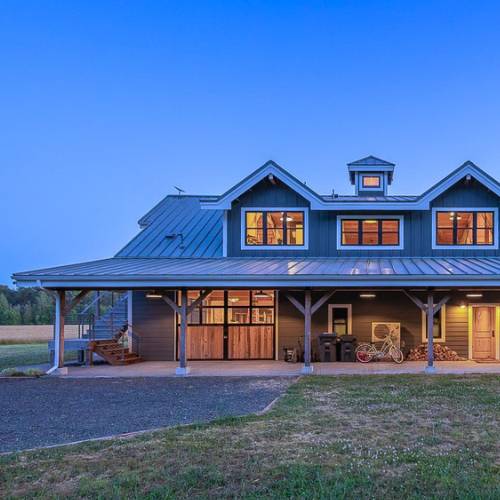
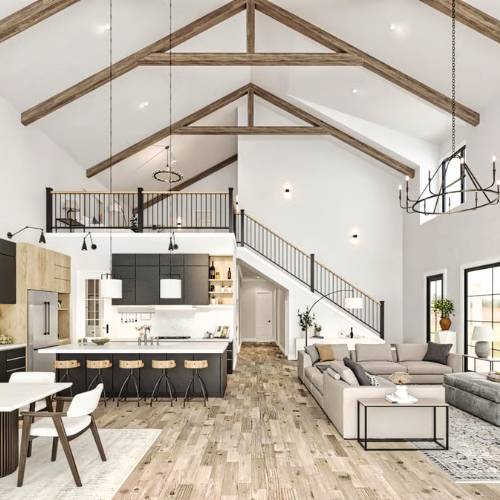
Barndominium construction is the stronger choice on in-fill or platted lots with no HOA metal finish restrictions. It delivers more usable interior space per square foot than a comparable wood-frame build at the same budget. Open floor plans are structurally easier with steel framing - fewer load-bearing walls, longer clear spans, more flexible layouts. If maximizing interior square footage on an Olathe city lot is the priority, metal-frame is worth a serious look.
A traditional custom build makes more sense when HOA or subdivision covenants restrict metal exteriors. If neighborhood comps heavily favor conventional construction or your resale timeline is short, wood-frame may protect your investment better. The key question is whether your specific lot, HOA documents, and neighborhood comp pool support barndominium resale value in Olathe. Barndominium comps in Johnson County suburban markets are increasing, and lender financing on metal-frame homes is more accessible than it was five years ago.
Long-term maintenance favors metal construction in Johnson County's climate. Humidity, hail, and freeze-thaw cycles take a harder toll on wood-frame exteriors than on metal. A metal exterior requires less upkeep over a 10-20 year window on an Olathe suburban lot. Factor that into the total cost comparison - not just the build cost.
What Johnson County building permits are required before starting barndominium construction in Olathe on a platted residential lot, and how long does approval typically take?
Barndominium construction on a platted Olathe lot requires the same permit stack as any residential new build. Engineer-stamped drawings are required for building permit submission to the City of Olathe. HOA approval is a separate parallel process and does not replace city permitting.
Building permit - engineer-stamped drawings required; 4-8 week city review timeline
Mechanical, plumbing, and electrical permits - pulled separately at each rough-in phase
Stormwater management permit - required when disturbed area thresholds are met on platted lots
City utility hookup permits - water, sewer, and gas connections; fees paid at current Olathe rate schedules
Our Full Custom Home Building Olathe KS Services
Barndominium construction on a suburban Olathe lot requires the same full-service coordination as any custom residential build. Urban builds add layers that rural projects never see - city setback compliance, HOA design review, stormwater permits, and neighborhood exterior standards all run simultaneously. That coordination load is not something a rural metal-building crew is set up to manage. It requires a builder with an active Olathe city permit history and experience working inside platted subdivisions.
Our Custom Home Builder process is built to handle all of it. Design, city permitting, HOA coordination, site prep, build, and inspections run under one point of contact. We are not a rural barndominium crew retrofitting our process to a city lot. We build urban and suburban barndominiums in Olathe from the ground up - permit-ready and city-approved.
Barndominium Frequently Asked Questions
Do custom home builders in Olathe, KS manage full barndominium construction on standard suburban lots, or is a specialty contractor required?
A licensed custom home builder in Olathe with urban permit experience can manage full barndominium construction on a platted suburban lot - no specialty contractor required. Verify the builder has pulled permits specifically for residential barndominium builds inside Olathe city limits. Rural Johnson County projects do not demonstrate urban permitting competence.
What Johnson County permits are required before starting barndominium construction in Olathe on a platted residential lot?
Building permit, mechanical, plumbing, electrical, stormwater management, and city utility hookup permits are all required. Engineer-stamped drawings must be submitted with the building permit application to the City of Olathe. HOA approval runs as a parallel track and does not substitute for city permits.
Should I choose barndominium construction or a traditional custom home in Olathe if my lot is inside city limits and subject to HOA or covenant restrictions?
Review your HOA covenants and subdivision plat notes first - if metal exterior finishes are restricted, a traditional build may be the only compliant option. If covenants allow or can be satisfied with approved exterior finishes, barndominium construction is fully viable on an Olathe city lot. Confirm all restrictions before design dollars are spent.
What utility connections and stormwater fees should I budget for before starting barndominium construction in Olathe?
Budget for city water, sewer, gas, and electric hookup fees at current Olathe rate schedules, plus a stormwater management permit if your disturbed area meets the threshold. Utility hookup fees vary by lot location and existing service availability. Confirm current fee schedules with the City of Olathe before finalizing your construction budget.
Is barndominium construction in Olathe a competitive long-term investment compared to a conventional new build in the Johnson County suburban market?
For in-fill and suburban lots without restrictive HOA covenants, barndominium construction can offer lower build cost, lower maintenance cost, and improving resale comparables in Johnson County. Consult a Johnson County appraiser familiar with suburban barndominium comps before committing to the build type. Confirm lender financing options early - metal-frame home financing has improved significantly in recent years.
How do I evaluate whether a contractor in Olathe has real experience delivering barndominium construction that meets city inspection standards?
Ask for verified examples of barndominium builds completed inside Olathe city limits with certificate of occupancy documentation - rural builds do not demonstrate urban permitting competence. Red flags include no city permit pull history in Olathe, inability to provide engineer-stamped drawing examples, and no experience with HOA design review coordination.
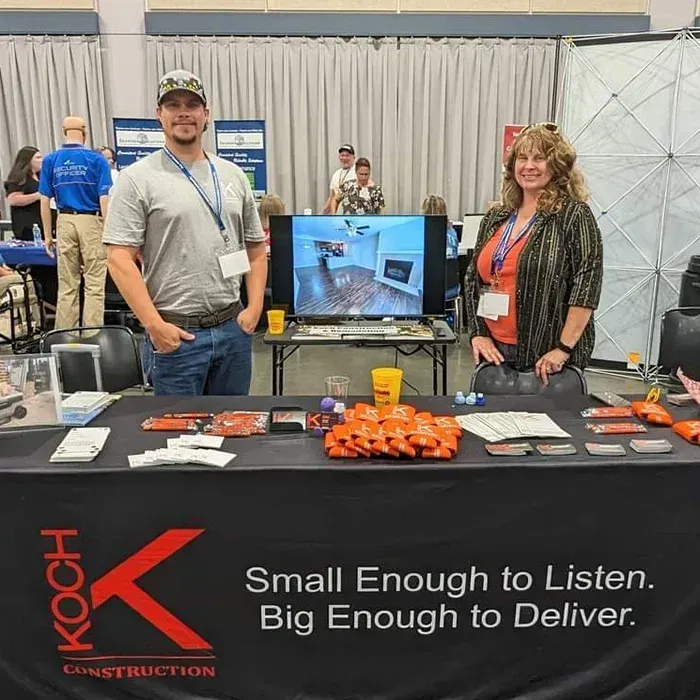
Call or contact Koch Construction & Remodeling now for a free estimate and quick, reliable service.
Small enough to listen, Big enough to deliver


Powered By Local Biz Domination